
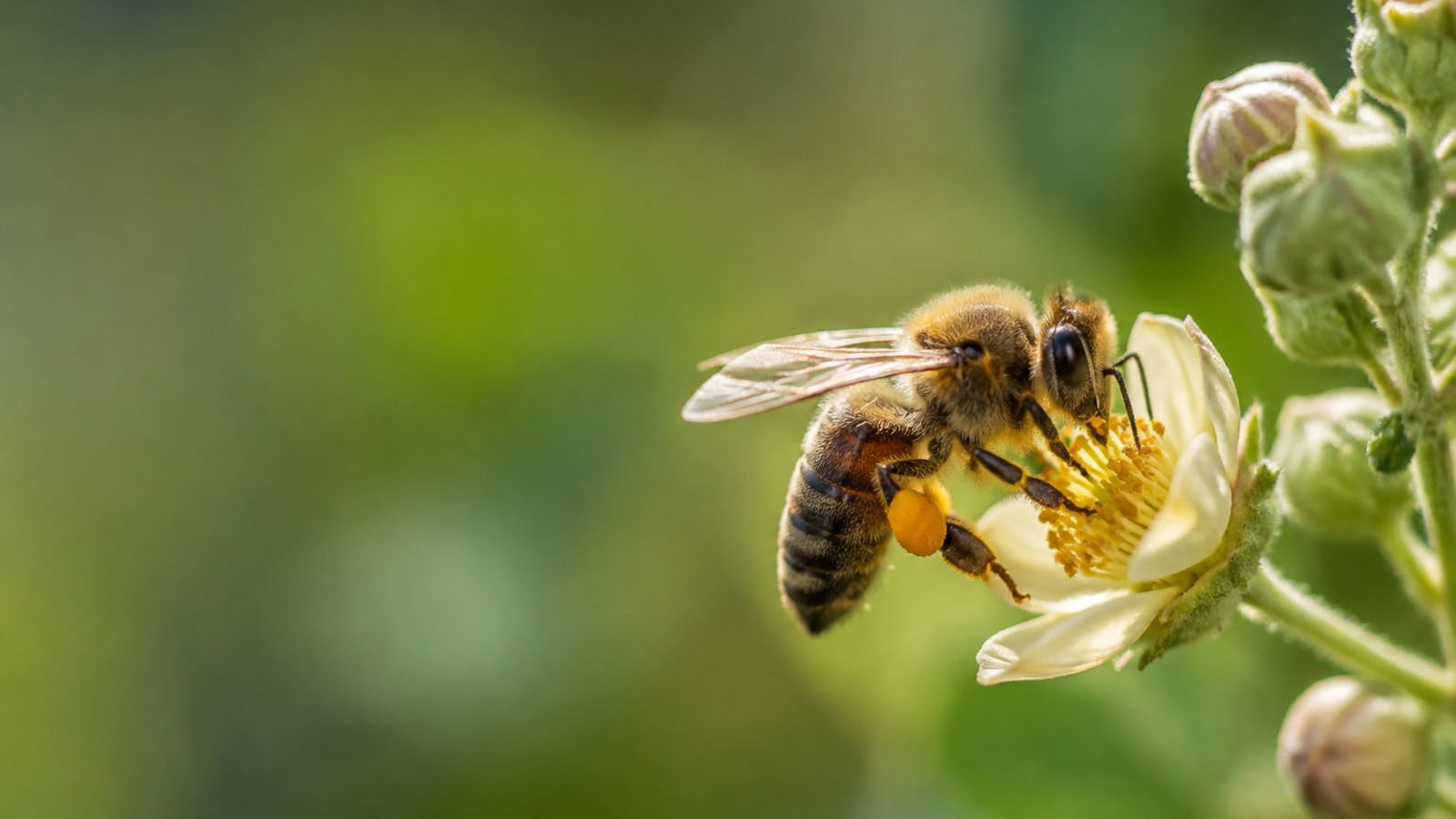
Protect pollinators.
Sustain plants.
Secure the food chain.
A year-round nutrition system built to help colonies enter pollination stronger — when nature cannot provide enough.
Pollination is living infrastructure.
Colony strength is not only a beekeeping issue — it supports plants, biodiversity, national agriculture and the food chain.
of leading global food crop types rely to some extent on animal pollination
of wild flowering plant species depend at least in part on animal pollination
of global crop production volume comes from pollinator-dependent crops
Source: IPBES global assessment on pollinators, pollination and food production (2016).
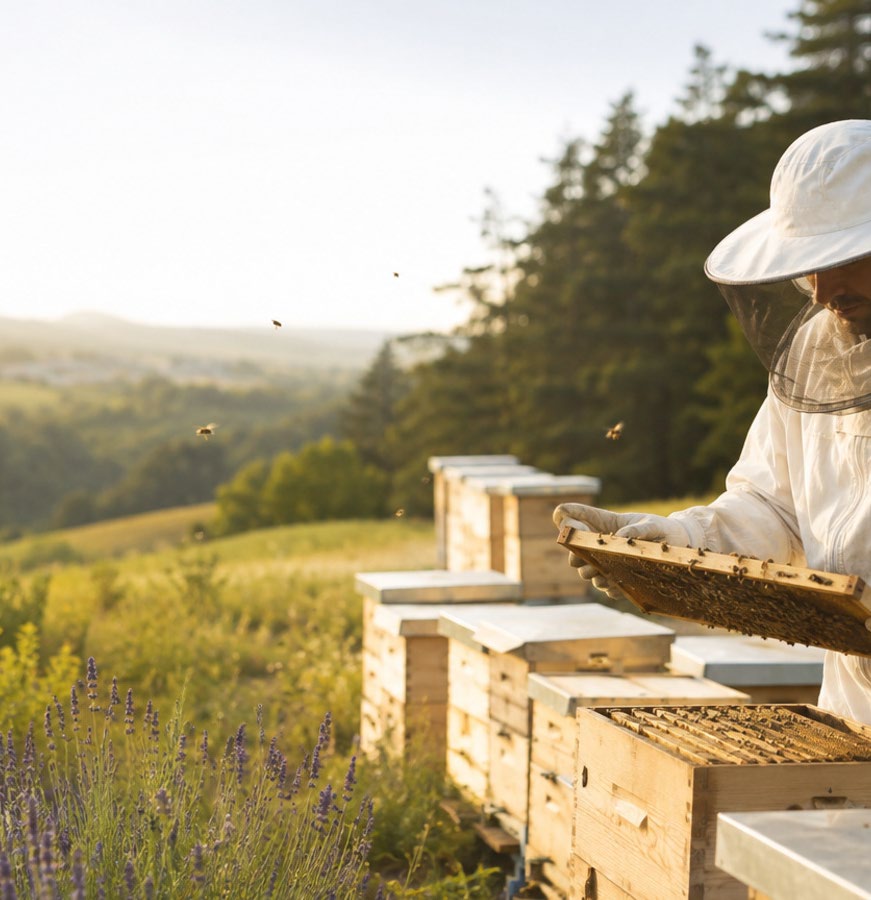
Build colony readiness for the moment pollination matters.
The real risk is nutritional discontinuity.
The bee has not weakened. The operating environment has become less predictable. Climate is outside our control — nutrition is not.
Shorter bloom windows
Forage can disappear before the colony completes its build-up.
Shifted flowering
Early or delayed bloom breaks traditional feeding calendars.
Hotter extremes
Heat and drought intensify energy and hydration pressure.
Persistent stress
Pathogens and seasonal nutrition gaps can overlap.
Three coordinated layers. One year-round system.
Each layer answers a different nutritional gap. Not three unrelated products — one physiological feeding system.
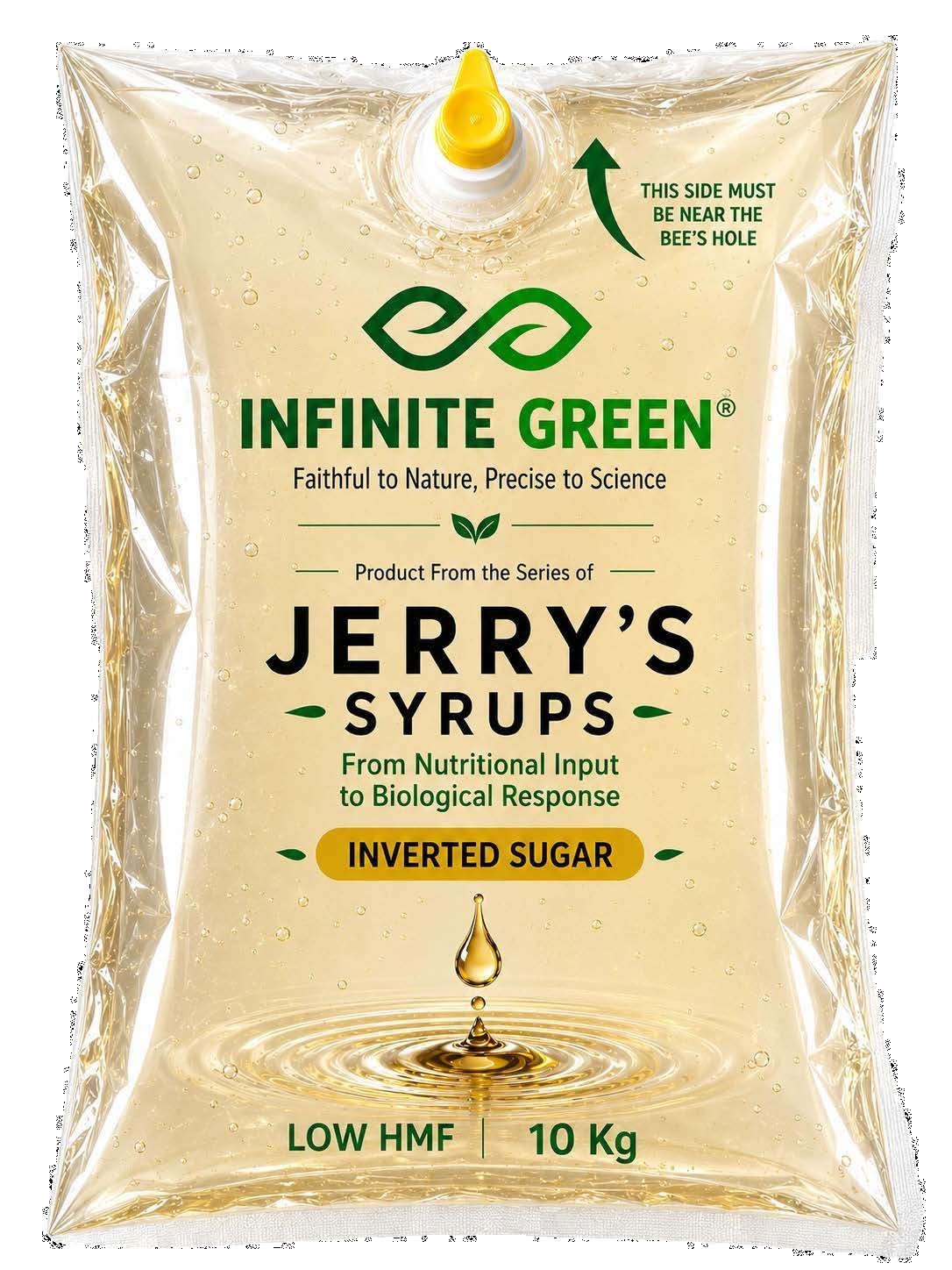
Jerry's Syrup
Fully inverted beet-sugar syrup — 100% fructose & glucose, low HMF, ready to use. The closest natural alternative to nectar's sugar compounds.
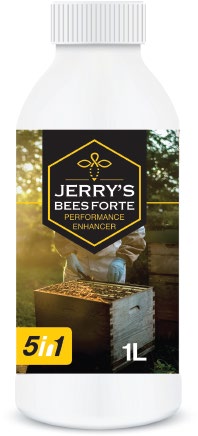
Jerry's Bees Forte
An aqueous herbal supplement rich in nectar's plant compounds — polyphenols, flavonoids, alkaloids, glycosides, saponins, tannins.
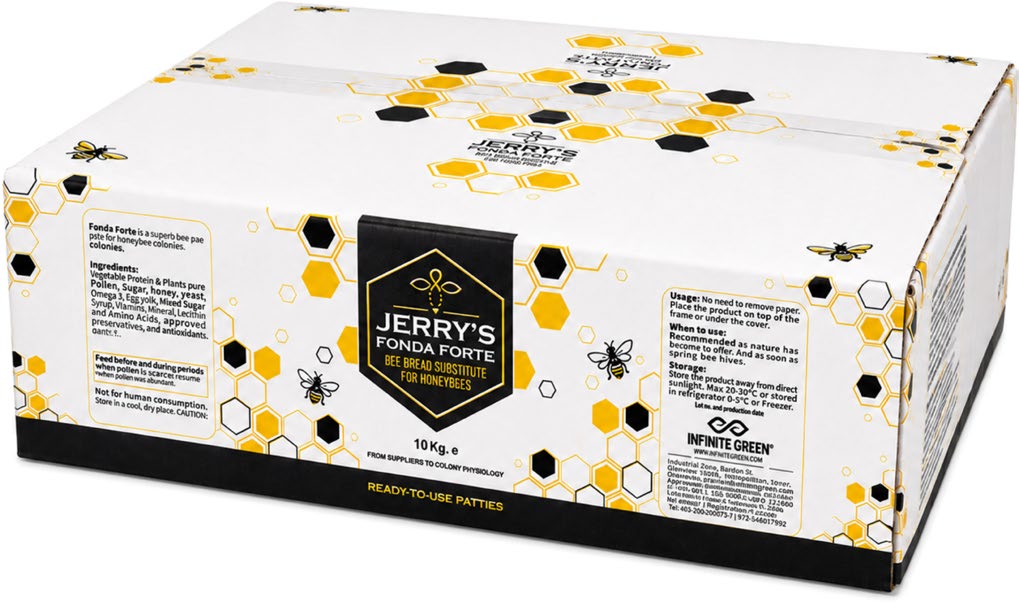
Jerry's Fonda Forte
A ready-to-use patty with 20%+ diverse plant proteins, essential fats, sterols, Omega 3 & 6, vitamins, minerals and probiotics.
Fonda Forte retained the highest recorded frame counts.
Northern Kinneret · Beteiha Valley. Three feeding strategies compared over a six-week feeding period with repeated colony observations: Control, Pollen Paste and Jerry's Fonda Forte.
not an expense
Final available observations (frames)
Ministry experiment fileDescriptive results from the supplied Ministry experiment file; not presented as proof of statistical superiority. Splitting outcomes reflect beekeepers' field reports.
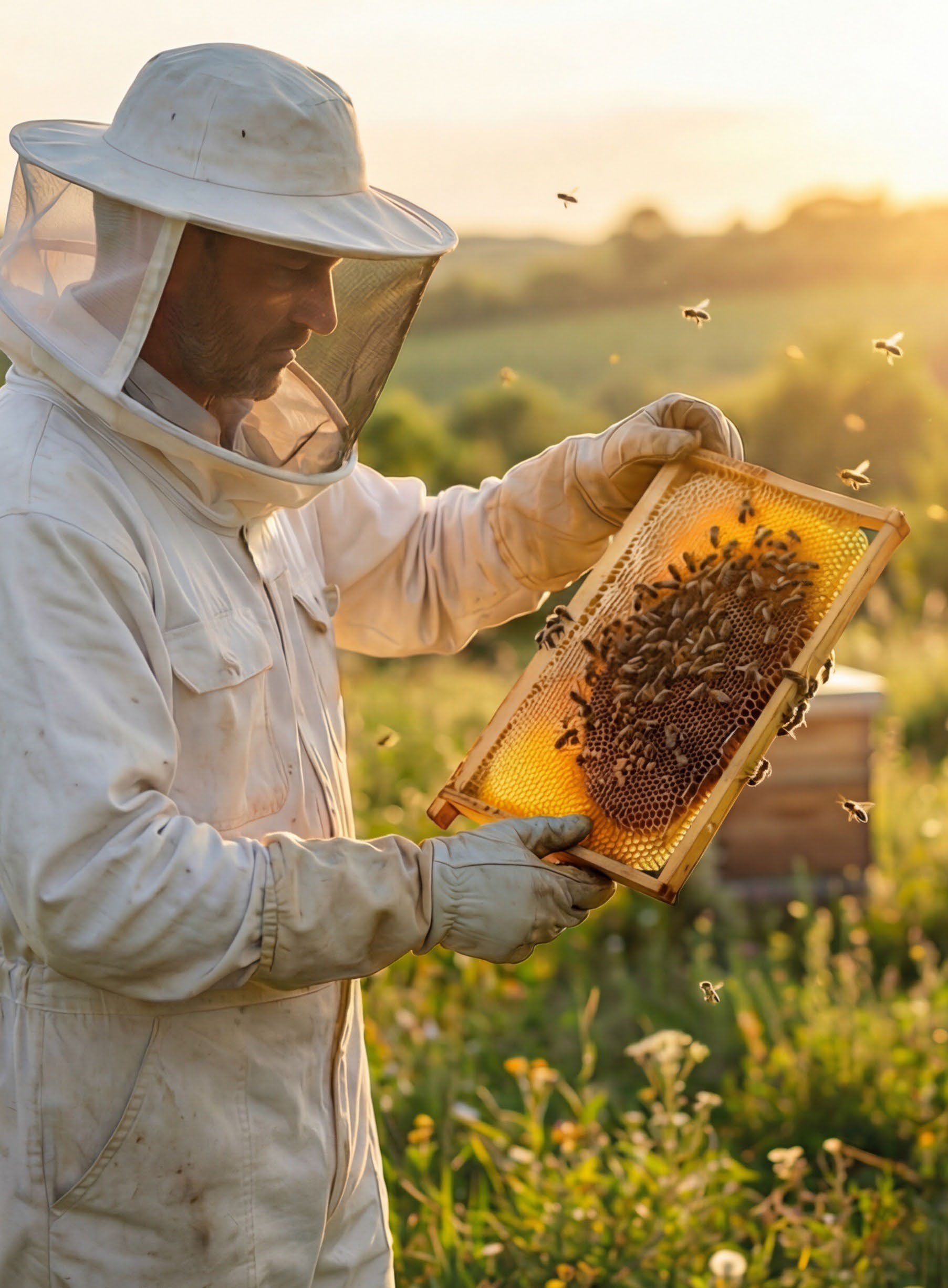
365 days of colony readiness.
Continuity — not a one-time intervention — turns feeding into a more reliable colony response.
- 01Build
Brood and population growth before the season.
- 02Prepare
Enter pollination contracts with strong colonies.
- 03Sustain
Support colonies during peak demand.
- 04Recover
Rebuild after stress, splits or dearth.
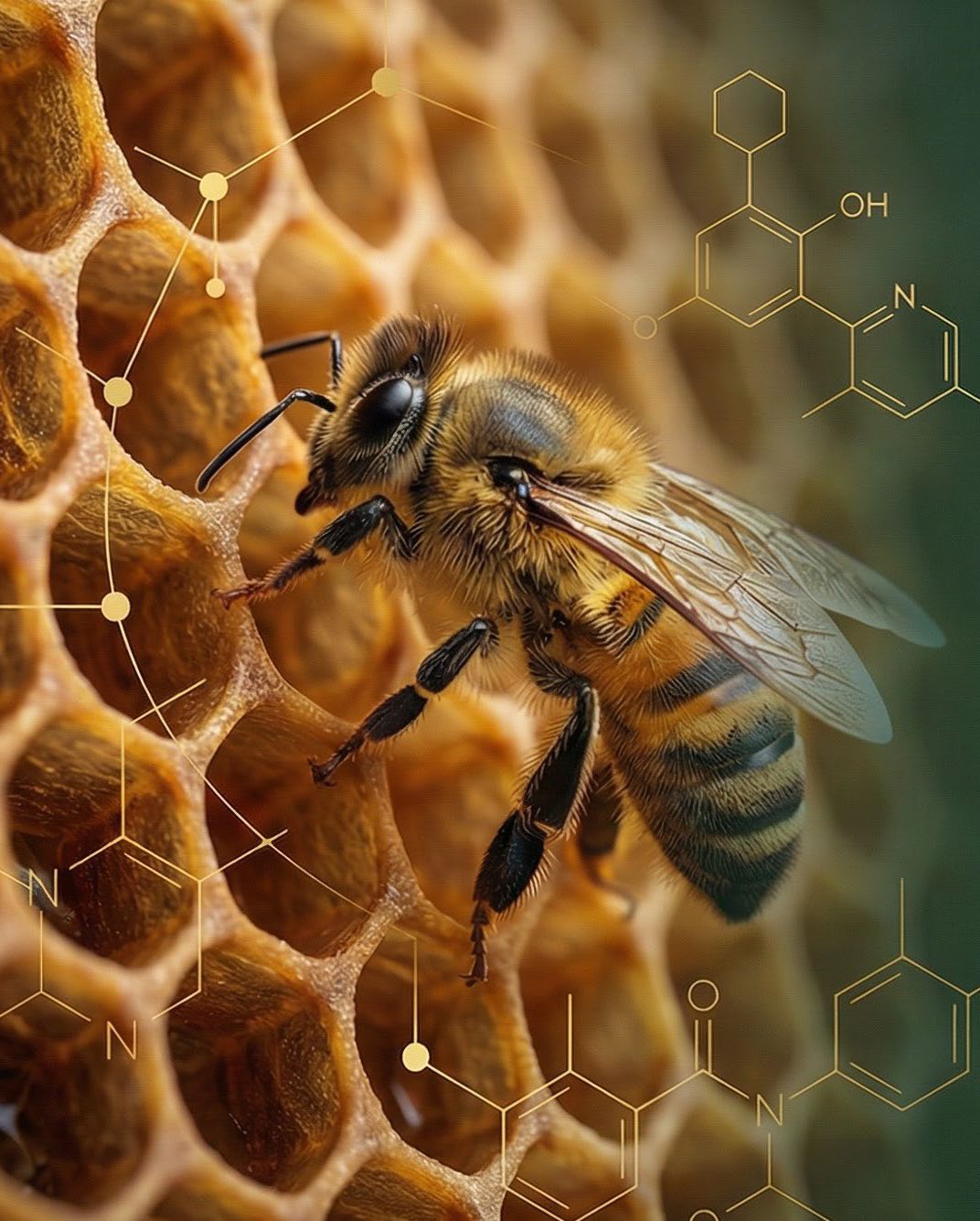
How can nutrition work as one continuous biological system — while remaining practical for the beekeeper?
We did not begin with protein. We began with nature.
Nectar, honey, pollen and bee bread work as a connected nutritional system. We studied that logic, translated it into ready-to-use nutrition, and measured colony response in real apiary conditions before revealing any product.
Bee comfort
Easy access and minimal unnecessary disturbance.
Biological availability
Nutrition designed to be usable — not only present on a label.
Field practicality
Repeatable handling for professional apiary work.
Scientific restraint
Measure response and avoid promises beyond the evidence.
Brochures & technical documents
Let's build pollination readiness — together.
Talk to our team about your operation. We work with commercial apiaries, cooperatives and distributors in Israel and internationally.